


Heat Is Not Democratic
Heat challenges the idea that we are all living through the same present
Heat comes for everyone.
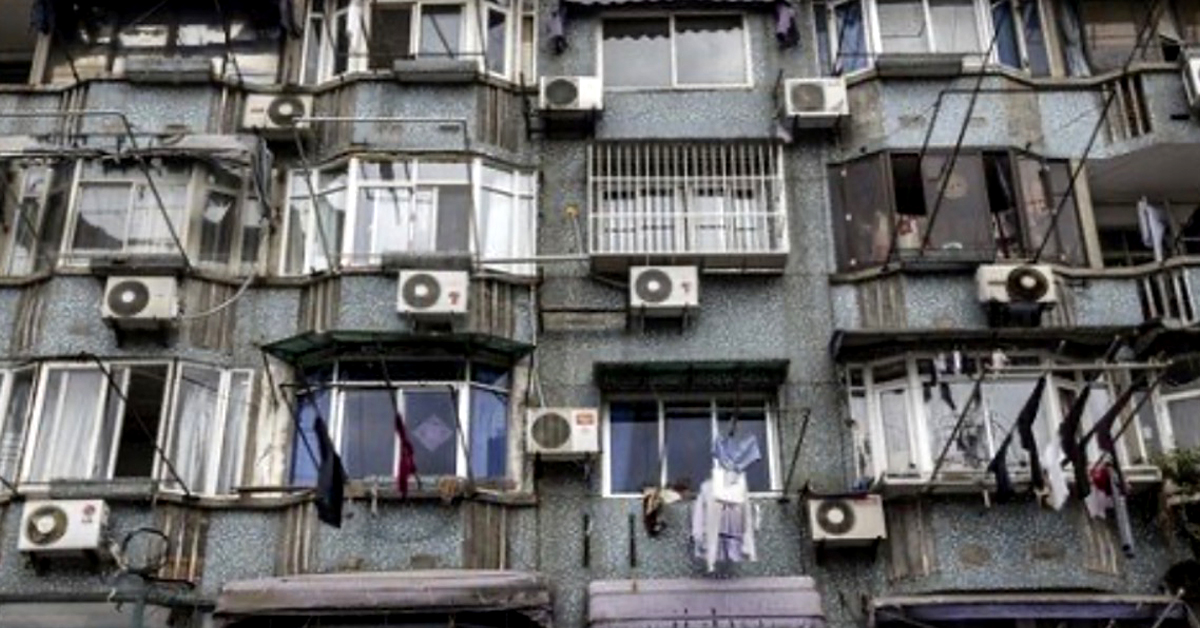
It enters cities, towns, homes and workplaces. The thermometer shows the same temperature for those who live in a cool apartment and those who live in a home where the heat remains trapped for hours.
For those who can turn on the air conditioning without a second thought and those who check their energy bill before deciding how to get through a sweltering day.
It seems like one of the few experiences we truly have in common.
And yet heat is not democratic.
Not because the temperature is different.
But because the conditions in which we experience the same change are different.
The same summer can mean rest for some and exhaustion for others.
The temperature may be the same.
Our possibilities for living through it are not.
The same present, different possibilities
For a long time, we thought of climate as a vast environmental issue, something concerning the planet as a whole.
But when heat enters our days, our homes and the places where we live, it reminds us of something simple:
not everyone experiences the same present in the same way.
There are older people facing the hottest days without a close family support network.
There are people for whom a day spent under the sun is not merely uncomfortable, but a very real hardship.
There are families who, without living in conditions of extreme poverty, have to watch their daily expenses, make choices and go without.
Because there is a quiet, often unseen space of hardship.
It is inhabited by those who are not always recognised as vulnerable, but who feel the space of possibility narrowing around them every day.
People who continue to live, work, care for others and organise their daily lives, but who increasingly have to consider the weight of every choice.
The question is not always:
“Can I afford something more?”
Sometimes it is:
“What can I put off?”
Summer is not the same for everyone
Summer is often portrayed as a season of lightness.
Holidays.
Travel.
Long evenings.
But lightness is not distributed equally.
When cities empty out, some people experience greater loneliness.
When temperatures rise, some vulnerabilities become more difficult to manage.
When energy costs increase, heat also finds its way into household budgets.
It is not simply a matter of wellbeing.
It is a matter of possibilities.
The possibility of protecting yourself.
The possibility of choosing.
The possibility of facing change without feeling alone.
From the fan at home to a changing world
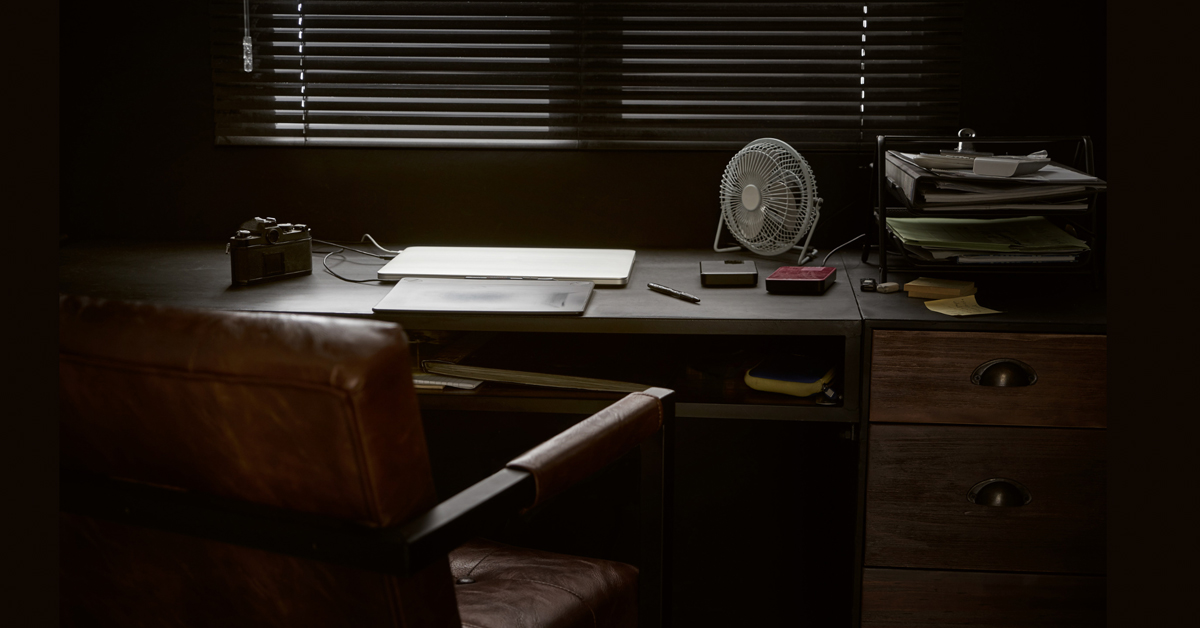
A fan running in a room may seem like a small, ordinary scene.
But the world enters that scene.
Because we live in a time when what happens far away can come very close.
An energy crisis, an international tension, a war or disruption to trade routes can have consequences for the everyday lives of people thousands of kilometres away.
A ship blocked in a strategic strait may seem like a distant news story.
And yet its effects can reach energy prices, transport costs and everyday household spending.
They can reach our kitchens.
The world is increasingly interconnected.
But the consequences of that interconnectedness are not experienced in the same way by everyone.
The geopolitics of heat
Heat is not only a climate issue.
It is a social, economic and political issue.
Energy, resources, work, the cost of living and climate change are all part of the same landscape.
Major global transformations enter our everyday lives.
Often without asking permission.
And so the question becomes:
who has the means to protect themselves?
Who can adapt more easily?
Who risks being left behind?
It is not enough to look at how many degrees the thermometer will show.
We need to ask ourselves what kind of society we want to build as the world changes.
Facing change together
The warm season on the calendar will come to an end.
The first cooler days will arrive.
The bills will arrive too, along with calculations to make, perhaps a few worries and a few curses when we see the figures.
And then, as every year, we will start talking about Christmas, plans and things to organise.
Because life, despite everything, has to go on.
But moving forward should not mean simply enduring everything alone.
It should mean building communities capable of recognising difficulties, listening to more vulnerable voices and navigating change together.
Heat comes for everyone.
But the way we live through it says a great deal about the society we are.