


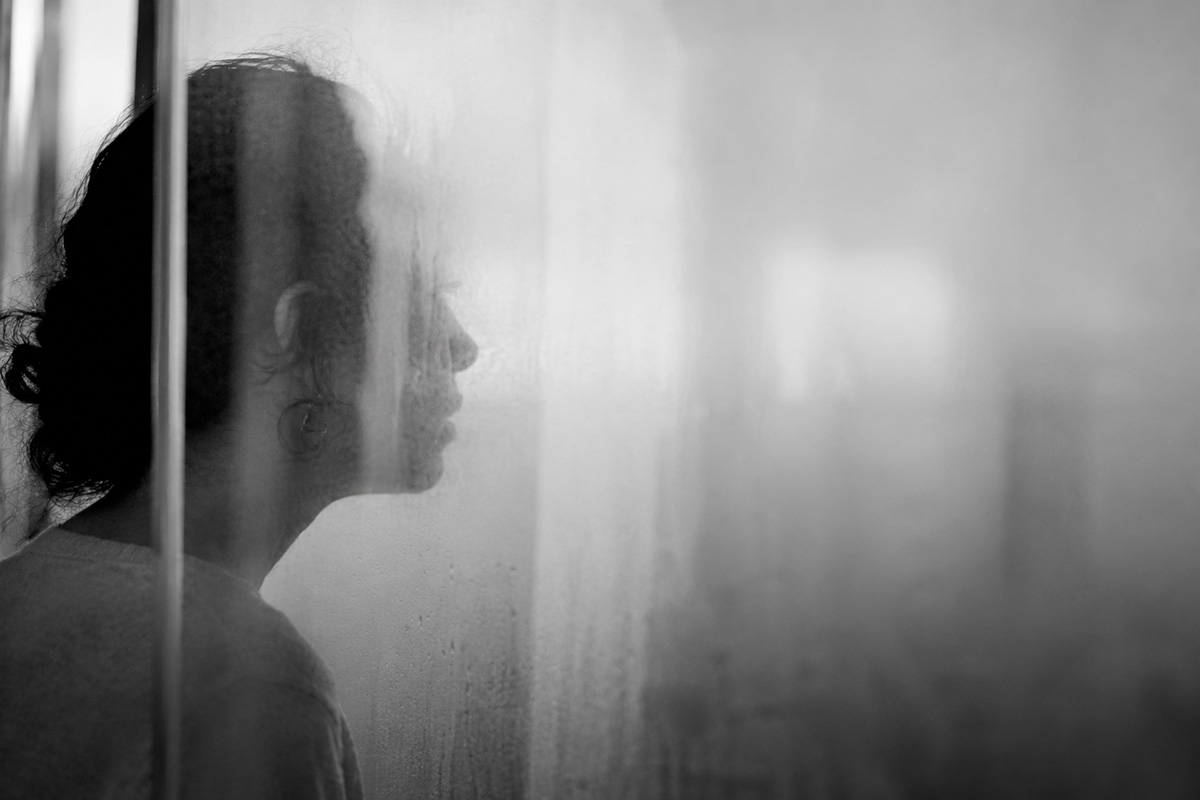
When Pain Remains Untranslated. Gender, Migration and the Mediation of the Body in Care
Pain does not always speak the same language. For many migrant women, describing a symptom means navigating linguistic, cultural and social differences that can influence access to healthcare.
Within this often invisible space, linguistic and cultural mediation plays a fundamental role: making it possible for different experiences of the body to meet healthcare systems that are called upon to listen to them.
Within the healthcare system, pain never arrives "pure". It already comes filtered through language, culture and the personal history of the person describing it. And in that passage, something may be lost, transformed or become invisible.
For many migrant women, this gap is part of everyday life. The body speaks, but it does not always find the right words to be recognised. Symptoms are described through images, cultural references and expressions that do not necessarily correspond to standard clinical categories. Between what is said and what is understood, a fragile yet crucial space opens up: the space of translation.
Medicine is not made up only of diagnoses and protocols. It is also made up of languages. Every symptom must become a recognisable form; it must fit into categories that allow it to be interpreted and treated. But this process is not neutral: it depends on how pain is described, who describes it and who is listening.
It is within this space that linguistic and cultural mediation takes place.
Not as the simple transfer of words from one language to another, but as a presence that shapes the way pain becomes understandable within the healthcare system. The mediator stands precisely at the point where the narrative of a symptom must become something recognisable to those providing care, without completely losing the meaning that narrative holds for the person who tells it.
Her work unfolds in an intermediate space, where not everything has already been defined. On one side is the patient's language, often rooted in bodily images, lived experiences and specific cultural references. On the other is medical language, which requires classification, precision and shared criteria. Between the two, translation is never a mechanical act: it is a process of interpretation, listening and restitution.
And it is precisely here that a broader question emerges.
The body that arrives at a clinic is not a neutral body. It is a body shaped by gender, culture, migration and social conditions. Gender medicine has helped demonstrate how women's pain has historically been more exposed to underestimation or ambiguous interpretation than men's.
But even within the category of "women", there are differences that deserve attention.
Not all women are listened to in the same way. Not all narratives of pain receive the same recognition. The implicit model that guides clinical listening is often built around a female figure who is culturally and linguistically close to the context in which the healthcare system operates.
When this distance increases, as in the case of migrant women, so too does the risk that symptoms will be interpreted only partially, or that part of the experience being narrated will remain at the margins of clinical understanding.
The issue, therefore, is not only about communication.
It concerns the way healthcare systems recognise what counts as an experience of illness and what counts as an experience of care. Who decides what constitutes a symptom? Which ways of describing illness are considered immediately understandable? And which, instead, require a deeper process of translation?
Linguistic and cultural mediation takes place precisely within this space. It does not eliminate differences, nor can it resolve inequalities on its own. But it makes something essential possible: encounter.
An encounter between people, languages and understandings of the body that do not always coincide, but that must find common ground if care is to take place.
When pain remains untranslated, it is not merely a linguistic issue. It is a matter of recognition, listening and access to rights. And perhaps it is precisely by observing this intermediate, often invisible space that we can better understand how care is also a practice of relationship.